Skip to content
Cellular Communication & Repair Signaling

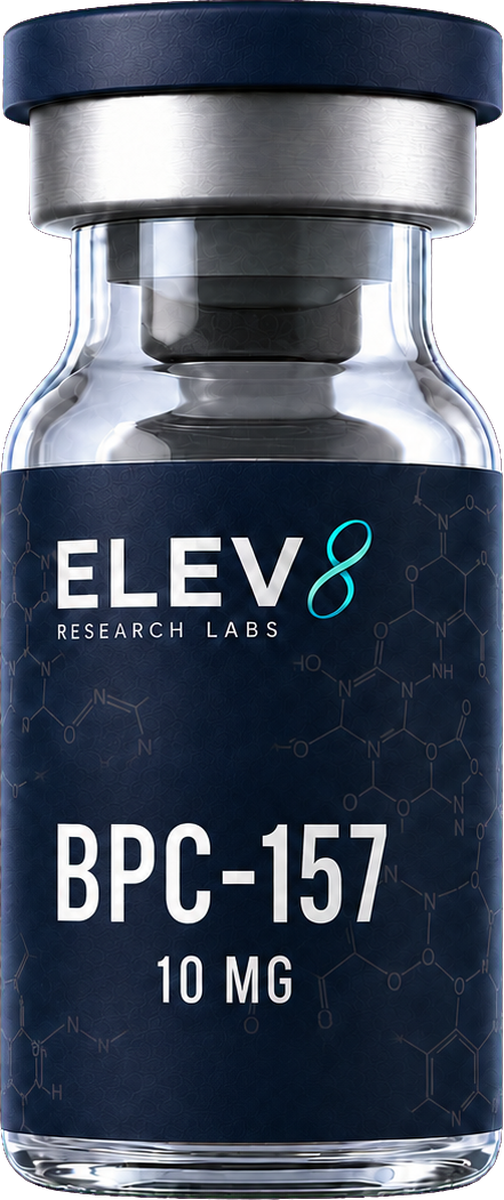
BPC-157

$145.00 / 10mg vial

BPC-157 is widely studied in research environments for its role in cellular signaling, angiogenesis (blood vessel formation), gut-related pathways, and localized tissue response. Because of its versatility, BPC-157 is one of the most commonly studied peptides for understanding targeted biological response mechanisms.

99%+ purity Batch verified Assembled in USA Research use only
Most-studied recovery peptide
Bundle & Save Save Big!
Buy now — $145.00

Secure checkout. Bundles and subscriptions are purchased as a single order, so any refund applies to that order alone.

Ships in 5–7 business days $15 single-vial shipping · free shipping on bundles and subscriptions
Shipping protection Discreet packaging
Batch verified Documented & traceable Named partner manufacturer
Batch documentation

Certificate of Analysis

Review the lab report assigned to this compound without leaving the product page.

Certificate of Analysis

BPC-157

If the preview is unavailable in your browser, open the report directly.

Open report
Research use only

A research chemical intended strictly for laboratory and in-vitro study by qualified professionals. Not for human or animal consumption, not a drug or dietary supplement, and not evaluated by the FDA.

Lifestyle fit / research use case
Gut & digestion-focused research
Recovery and repair studies
Localized stress or injury models
Beginners learning peptide signaling basics

What it’s doing — the deeper context

BPC-157 is studied as a signal initiator — meaning it helps researchers observe how communication begins when the body encounters disruption. In research models it is associated with nitric oxide pathway interaction, influencing circulation and signaling; angiogenesis-related signaling, which plays a role in how tissues receive nutrients and oxygen; and localized communication between cells, particularly in areas under stress.

Sequence / class
Pentadecapeptide — Body Protection Compound
Purity standard
99%+
Form
Lyophilized powder
Testing
Batch verified, third-party
Storage
−20°C, desiccated
Manufacture
Assembled in the USA
Also studied

Researchers also study

TB-500
Cellular Movement & Structural Adaptation Signaling

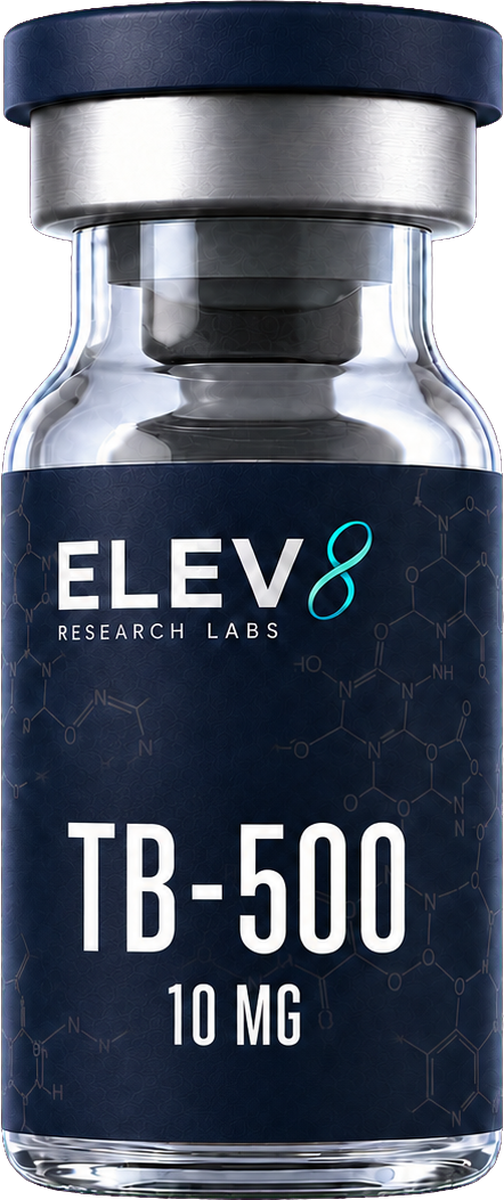
TB-500

Systemic recovery peptide studied for cell migration and structural adaptation.

$145.00 10mg

Blend KLOW
Advanced Multi-System Regenerative Signaling

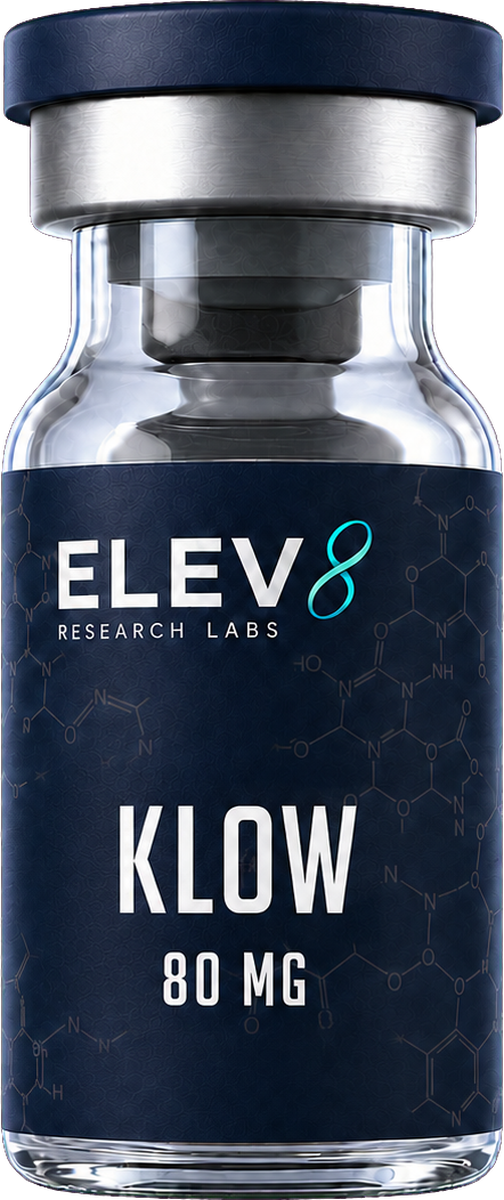
KLOW

Premium four-peptide blend for advanced, high-intensity regeneration research.
$275.00 80mg
MOTS-c
Mitochondrial Energy & Metabolic Efficiency Signaling

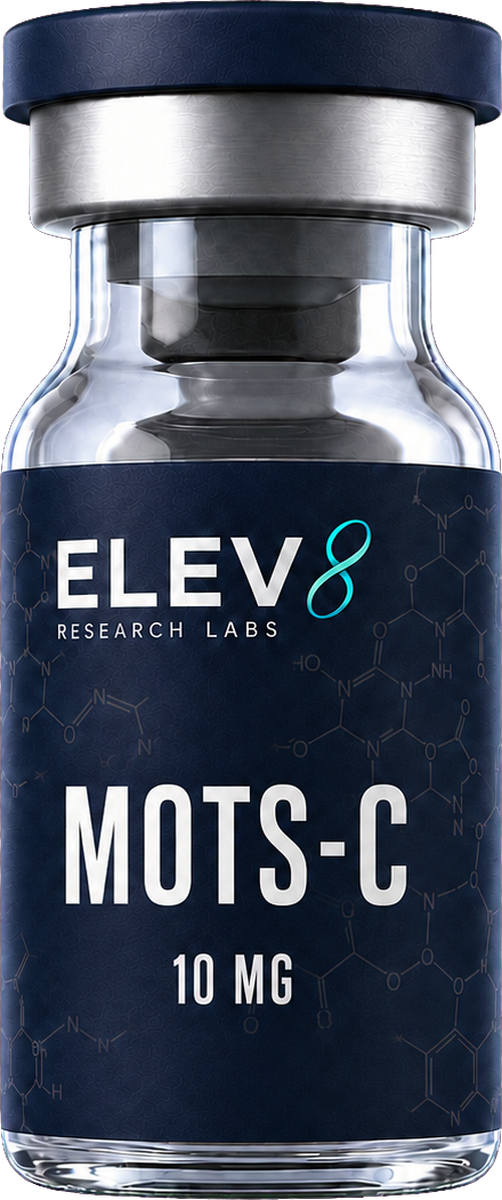
MOTS-c

Mitochondrial peptide studied for energy, metabolic efficiency and endurance.

$100.00 10mg
An honest comparison

What “verified” actually means

Most listings in this market look identical until you ask where the paperwork came from. Check any supplier you are considering against the same five rows.

Feature Elev8 Research Labs Typical supplier
Manufacturing Assembled in the USA Unknown manufacturer
Business model Partner manufacturer Solo middle-man broker
Testing Batch verified, 3rd-party tested Limited or fake COAs
Transparency Documented & traceable Minimal visibility
Consistency Standardized quality Inconsistent batches
Manufacturing
Elev8 Assembled in the USA
Typical supplier Unknown manufacturer
Business model
Elev8 Partner manufacturer
Typical supplier Solo middle-man broker
Testing
Elev8 Batch verified, 3rd-party tested
Typical supplier Limited or fake COAs
Transparency
Elev8 Documented & traceable
Typical supplier Minimal visibility
Consistency
Elev8 Standardized quality
Typical supplier Inconsistent batches
Frequently asked

Questions researchers ask

How do researchers choose a peptide?
Selection depends on the research objective, the pathway of interest, and the experimental model being used. Every compound page states its category, what it is studied for, and the research use cases it best fits.
Why does quality matter?
Consistency in composition and presentation helps support more reliable and reproducible outcomes. Reliable materials support cleaner experimental design and greater confidence in observed results.
How are peptides typically studied?
They are examined in controlled laboratory settings using structured methods designed around specific variables and endpoints.
Can peptides be studied alongside other materials?
In some research settings, yes — depending on the study design and protocol structure. Our blends exist for exactly this reason: to observe how multiple pathways interact rather than in isolation.
How long does peptide research take?
That depends on the model, the design, and what the research is intended to measure.
What should researchers prioritize when sourcing?
Clear labeling, documentation, consistency, and research-use alignment.
Are these products FDA approved?
No. These research materials are not FDA approved for human consumption, therapeutic use, or clinical application. They are offered strictly for in-vitro laboratory research.
What purity standard do you hold?
Every compound is produced to a 99%+ purity standard and is batch verified through third-party testing.
BPC-157 · 1 Vial
$145.00
Buy now